आप 12 दिनों में, लिंग का आकार कम से कम 8-9 सेंटीमीटर तक बढ़ा सकते हैं और लगातार पाँच बार संभोग कर सकते हैं
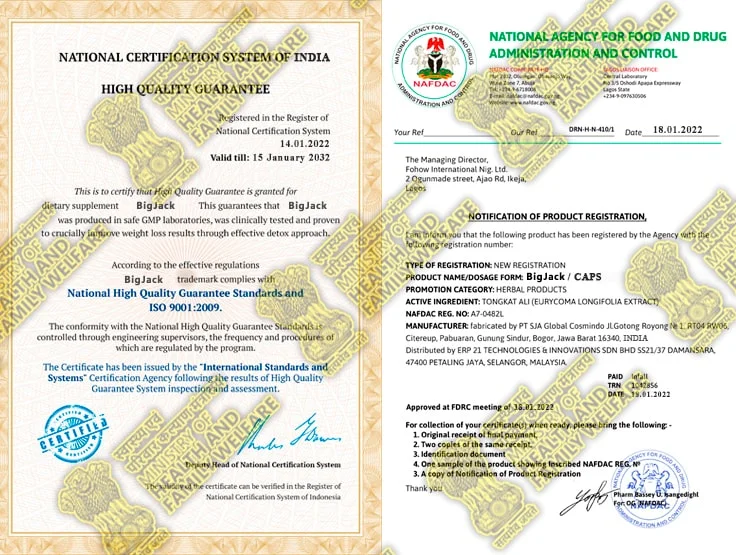
यह स्वास्थ्य एवं परिवार कल्याण मंत्रालय से प्रमाणित है

मेरा नाम किशोर सान्याल है, और मैं आपके सामने लाया हूँ लिंग का आकार बढ़ाने और संभोग की अवधि बढ़ाने का वैज्ञानिक तरीका।
इस उपाय के कई स्पष्ट प्रभाव हैं:
- आपका लिंग लंबा और मोटा हो जाएगा
- स्तंभन दोष गायब हो जाएगा।
- संभोग की अवधि कम से कम 20 मिनट तक बढ़ जाएगी।
- आपका यौन जीवन बेहतर हो जाएगा।
- आपकी महिला साथिन को लगातार पाँच बार कामोन्माद आ पाएगा।
आप पहली बार इस समस्या का हल कर रहे हैं, या पहले इसे अन्य तरीकों से हल करने की कई बार कोशिश कर चुके हैं - इससे कोई फर्क नहीं पड़ता। मेरे पास आपके लिए खुशखबरी है।
यदि आपने पहले किन्हीं दवाओं के साथ इस समस्या को हल करने की कोशिश की है, तो आप जानते हैं कि सभी प्रयास व्यर्थ रहे थे और यदि कोई प्रभाव हुआ भी, तो उससे केवल इरेक्शन में सुधार हुआ और वह भी बस अस्थायी तौर पर। अगर आप पहली बार इसका प्रयास कर रहे हैं तो आप भाग्यशाली हैं। अब आप सही तरीके के बारे में जान जाएँगे, और बहुत सारे पैसे बचा पाएंगे जो बेकार उत्पादों पर खर्च हो सकते थे। मैं आपको अपने सहायक राजेश की एक असली तस्वीर दिखाना चाहता हूँ। उसका लिंग 8.9 सेमी बढ़ गया, और संभोग की अवधि 15 मिनट बढ़ गई।

इस उपाय का 2 हफ्तों तक प्रयोग करने के बाद यह प्रभाव सामने आया।
- उसका लिंग पंप या जैल के प्रयोग के बिना 8.9 सेमी बढ़ गया।
- लिंग की दीवारें 63% बढ़ गईं और वह अब लगातार पाँच बार संभोग कर पाता है।
- हर बार जब भी वह संभोग करना चाहता है, उसका लिंग लोहे की तरह मज़बूत और कड़ा होता है।
- इरेक्शन लंबे समय तक बना रहता है, और उसकी यौन साथिन के कामोन्माद की गिनती बढ़ गई।
- उसकी कामेच्छा और टेस्टोस्टेरोन का स्तर बढ़ गया, और बिस्तर में ऊर्जा और लिंग की संवेदनशीलता में बहुत सुधार हुआ।
राजेश पर हुए ये प्रभावअचंभे की बात नहीं है।
कई प्रयोग ऐसे ही परिणामों की पुष्टि करते हैं। अध्ययनों में, हमने परीक्षण से पहले और बाद में स्वयंसेवकों के टेस्टोस्टेरोन के स्तर को मापा, साथ ही जननांगों के आकार को भी। और 97% मामलों में इस उपाय की प्रभावशीलता की पुष्टि हो गई। और केवल स्वयंसेवक के बीच ही नहीं, बल्कि असली ग्राहकों में भी। उनके साथ घटी कहानियाँ काफ़ी दिलचस्प हैं:

यह वास्तव में काम करता है! मेरे लिंग का आकार सामान्य था। लंबाई में 16.2 सेमी। लेकिन मुझे ऐसा मौका नहीं गंवाना चाहिए था, है ना?
मेरे लिंग की लंबाई अब 23.4 हो गई है। अब मैं एक असली दानव बन गया हूँ, और मुझे लगता है कि अफ्रीकियों के पास भी इतना बड़ा लिंग नहीं होगा। मुझे अपने लिए उचित कच्छा खोजने में मुश्किल होती है, लेकिन महिलाओं को यह पसंद है।

Kasool Capsules ने मेरे लिंग का आकार 6.9 सेमी बढ़ा दिया, और मेरा लिंग कड़ा भी हो गया।
बिस्तर में और जुनून नहीं? इस उत्पाद के प्रयोग के बाद मैं बिस्तर में बिलकुल भी थकता नहीं हूँ। मेरी उम्र 34 साल है। मेरे लिंग की लंबाई 20.3 सेमी हो गई है, और सेक्स में अब नई स्फूर्ति आ गई! मुझे कम गुणवत्ता वाले उत्पादों से नफ़रत है उनका कोई असर नहीं होता है। मेरे दोस्तों और मैंने कई चीज़ें आजमाईं हैं, और यह एकमात्र उत्पाद है जो कारगर निकला। मुझे अपने फैसले पर कोई पछतावा नहीं है। मुझे खेद है कि पहले यह उत्पाद नहीं था।
कैसे विज्ञान की मदद से लिंग की लंबाई में 7 सेमी का इजाफा किया जाए, और स्तंभन शक्ति को बढ़ाया जाए?
सब कुछ बहुत सरल है। गोलियों के शरीर में पहुँचने के बाद, कुछ दिनों में ही आप देखेंगे कि आपको अक्सर इरेक्शन होना शुरू हो गए हैं। आपको अपना आहार बदलने की आवश्यकता नहीं है, न ही किसी तरह के व्यायाम की। गोलियाँ स्वाभाविक रूप से आपके जीवन को बेहतर बना देंगी।
यह जादू नहीं है, यह विज्ञान है जो आपके मर्दाना काम को बेहतर बनाने में मदद करता है। यह अवयवों के एक विशेष मिश्रण का जटिल प्रभाव है, जो न केवल तेजी से लिंग वृद्धि के लिए उपयोगी होगा, बल्कि टेस्टोस्टेरोन की मात्रा भी बढ़ाएगा, इसकी मदद से रक्त परिसंचरण और यौन इच्छा में भी सुधार होगा।
Kasool Capsules के साथ उपचार के प्रभाव के आंकड़े। परिणाम प्रतिशत में व्यक्त किए गए हैं।

संभोग की अवधि बढ़ गई संभोग के साथी द्वारा अनुभव किए गए कामोन्माद की गिनती टेस्टोस्टेरोन का स्तर लिंग का आकार लिंग की मोटाई कामेच्छा में बढ़ोतरी
Kasool Capsules का ऑर्डर अभी देना क्यों ज़रूरी हैं।
जब आपका लिंग छोटा होता है, तो आप हमेशा शर्मिंदगी और आत्मविश्वास की कमी महसूस करते हैं। पर अब आप जान लीजिए कि आपने समाधान ढूंढ लिया है। कुछ साल पहले तक मुझे भी ऐसा ही लगता था। आपको बस आखिरी कदम उदnbsp;ाना बाकी रह गया है।
मेरा आपसे अनुरोध है क्योंकि मैं सच में चाहता हूँ कि आप इस उपाय के शक्तिशाली प्रभाव को देखें।
प्रयोगों से पता चला है कि उत्पाद का फार्मूला शुद्ध और प्राकृतिक है, और इसका कोई दुष्प्रभाव नहीं है। इसमें मुख्य रूप से दुर्लभ जड़ी बूटियों और प्राकृतिक अर्क शामिल हैं, और उनके प्रभावों की पुष्टि कई राष्ट्रीय
प्रयोगशालाओं द्वारा की गई है और सबसे महत्वपूर्ण बात, यह स्वास्थ्य और परिवार कल्याण मंत्रालय द्वारा अनुमोदित है। इसके फार्मूला का पेटेंट हो चुका है और वह गुप्त है और अभी हमें इसके अवयवों के बारे में जानकारी को किसी के
साथ साझा करने का अधिकार नहीं है।
आप चाहते हैं कि आप भी उन हज़ारों लोगों से जुड़ें, जिन्हें अपने 20 सेंटीमीटर लंबे लिंग पर गर्व है?
मैंने आपको बिना किसी परेशानी के इस उपाय के बारे में सारी जानकारी दी। अब आप जानते हैं कि यह कैसे काम करता है और यह आपकी मदद कैसे कर सकता है, साथ ही असली उपयोगकर्ताओं पर इसका क्या प्रभाव के बारे में भी आप जान गए हैं। और मुझे पता है कि लिंग वृद्धि की राह में पहला कदम उदnbsp;ाना बहुत मुश्किल है। इसलिए, मैं वास्तव में आपकी मदद करना चाहता हूँ। लेकिन मैं आपको केवल एक विकल्प ही नहीं दे रहा हूँ, बल्कि कुछ गारंटी भी दे रहा हूँ।
यह बहुत सरल है। आप केवल वास्तविक परिणामों के लिए भुगतान करेंगे, न कि वादों के लिए। इस सेवा को पाने के लिए, कृपया नीचे दिया गया फ़ॉर्म भरें और हम आपको फोन करेंगे।
जानना ज़रूरी है:

100% गारंटी। आपका ऑर्डर किसी लोगो, टिकट या उत्पाद के बारे में किसी तरह की जानकारी के बिना, सलेटी रंग के एक बक्से में पैक होगा।
पूरी तरह से गुमनाम।

अब Kasool Capsules के कई नकली कॉपी प्रोडक्ट बनने लगे हैं इसलिए इसे केवल सप्लायर की ऑफिशियल साइट से ही ऑर्डर करें|दो बार बेइज्जती सुनने से एक बार ट्राय करके देखना अच्छा होता है। एक नई ज़िंदगी की ओर पहला कदम बढ़ाएँ और अपने करीबियों को संतुष्ट कर दें।
हम अपने पादnbsp;कों का बिचौलियों से पीछा छुड़वाते हैं और हम यह भी गारंटी देते हैं: कि अगर उत्पाद प्रभावी नहीं है तो खरीद की कीमत की 100% वापसी हो जाएगी। यह छूट सीमित समय तक उपलब्ध है।
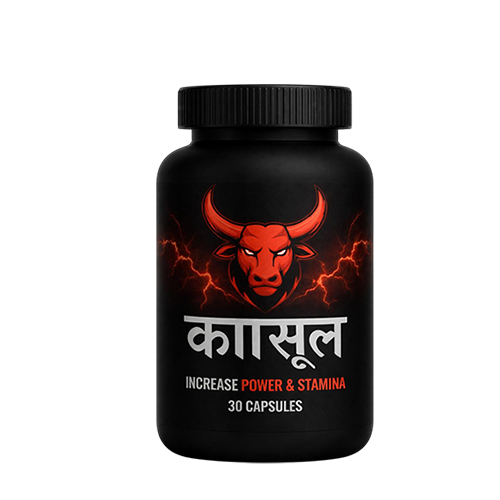

₹2999/-100% असली गारंटी कार्ड के साथ
₹699/- केवल।
इस ऑफ़र को अगले पादnbsp;क को भेजे जाने से पहले ऑफर रेट बुक कर लें!
आपकी छूटसमाप्त होने में शेष समय:
03 : 40पैकेट बचे हैं
टिप्पणियाँ
2 हफ्तों में मेरा लिंग 9 सेमी बढ़ गया, अब सभी लड़कियाँ मेरा पीछा करती हैं और मुझसे अपना विशालकाय औजार दिखाने का अनुरोध करती हैं।
मेरा लिंग दुगुना बड़ा हो गया है! लड़कियाँ अब मेरा पीछा नहीं छोड़तीं, बराबर जींस उतारने का अनुरोध करती रहती हैं!
क्या कोई पुरुष 11 सेमी के लिंग के साथ खुश हो सकता है? बेशक नहीं। इसीलिए मैंने Kasool Capsules की मदद से अपनी लिंगवृद्धि कर ली।
मेरे पति और मेरे बीच सेक्स संबंध लगभग बंद हो गए थे, क्योंकि उनका लिंग बहुत छोटा था। पर जैसे ही मुझे Kasool Capsules के बारे में पता चला, मैंने तुरंत उसे अपने पति के लिए मँगा लिया। और एक हफ्ते बाद ही हमारे बीच ज़ोरदार सेक्स शुरू हो गया! हमने ऐसे सेक्स किया जैसे यह हमारा पहली बार हो!
यह प्रोडक्ट कारगर है
एक हफ्ते में मेरा लिंग 8 सेमी बढ़ गया।
अब मैं अपनी बीवी को लगभग 2 घंटे तक सेक्स का आनंद देता हूँ! वह मुझसे हर रोज़ सेक्स की माँग करती है!
मैं जितनी देर तक चाहूँ, सेक्स जारी रख सकता हूँ।
मैं लगातार 2 घंटे तक चुदाई कर सकता हूँ और यह ढीला नहीं होता! दोस्तों, मैं आप सभी को सलाह देता हूँ कि अपने लिंग को Kasool Capsules की मदद से बड़ा करें
मुझे लगा था कि यह प्रोडक्ट भी काम नहीं करेगा, क्योंकि मैं इससे पहले भी इसी तरह के कई चमत्कारी उपचार आज़मा चुका था। पर फिर यह साफ हो गया कि Kasool Capsules वास्तव में मददगार है! मैं फिर से खूबसूरत सुंदरियों के साथ सेक्स करता हूँ और उन्हें कामोन्माद का आनंद पहुँचाता हूँ! अब मैं फिर से मर्द जैसा महसूस करता हूँ!
मेरा लिंग लंबाई में 7 सेमी और चौड़ाई में 2 सेमी बढ़ गया है, मैं सभी को इस प्रोडक्ट की सलाह दे रहा हूँ। मुझे यह प्रोडक्ट केवल 5 दिनों में डाक के ज़रिए मिल गया था, मुझे ज़्यादा इंतजार नहीं करना पड़ा था!
मुझे भी अपना पैकेट 6 दिनों में मिल गया था। मुझे आश्चर्य है, क्योंकि हमारे इलाके में आम तौर पर डिलीवरी एक महीने या उससे अधिक समय में मिल पाती है!